
One Caribbean
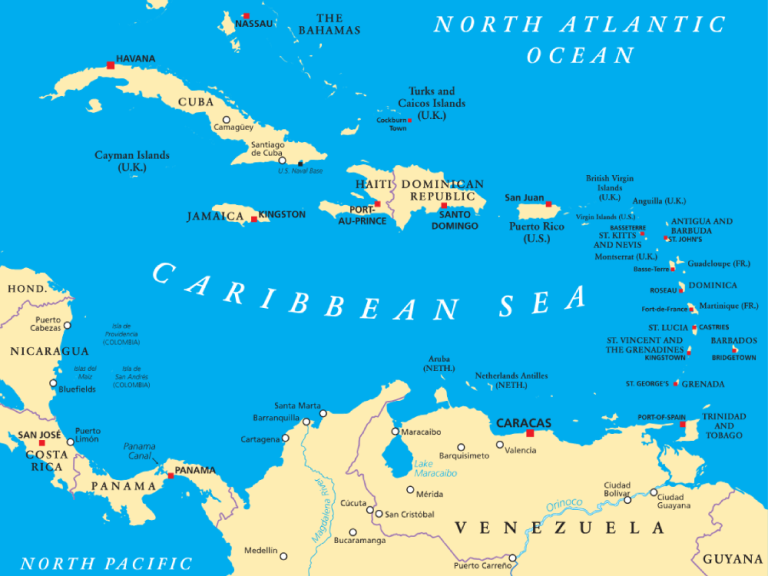
Long before European arrival, the Caribbean was inhabited by diverse Indigenous nations, notably the Taíno in the Greater Antilles and the Kalinago (Caribs) in the Lesser Antilles. While colonization drastically reduced their populations. Their legacy survives today through language, place names, agriculture, and the descendants who continue to preserve their ancestral traditions. The Caribbean is divided into three main geographic groups - the Greater Antilles, the Lesser Antilles and the Lucayan Archipelago.
The Caribbean's diverse population is primarily defined by four main ethnic roots: Indigenous (Amerindian), African, European, and Asian. Centuries of migration and the transatlantic slave trade have shaped this makeup. Because of this blending, many inhabitants identify as multiracial.
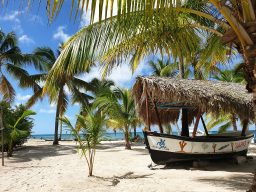
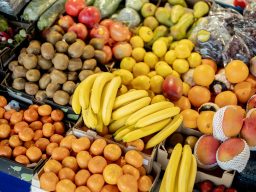
The Caribbean is globally celebrated for its pristine white-sand beaches, crystal-clear turquoise waters, and year-round tropical climate. Beyond its natural beauty, the region is famous for its vibrant blend of African, European, and Indigenous cultures, world-class Liquors, flavorful Cuisine, and infectious music genres such as Reggae & Soca. The Caribbean grows its own flavor, such as guava, coconut, passionfruit and mango, which appear in juices, sauces and desserts. And of course, Rum - the region’s signature spirit, with centuries-old distilleries and bold cocktail culture to match. It is closely tied to the Caribbean’s sugar trade history and a symbol of its colonial-era legacy.
The Independent Caribbean Countries Are:
- Antigua & Barbuda
- The Bahamas
- Barbados
- Cuba
- Dominican Republic
- Grenada
- Haiti
- Jamaica
- St. Kitts & Nevis
- St Lucia
- St Vincent & the Grenadines
- Trinidad & Tobago
The Caribbean is split into two larger regions, known as the Antilles. The term ‘Antilia’ referred to mythical lands found somewhere in the Atlantic, west of Europe. When Christopher Colombos landed in the Bahamas in 1492 and claimed it for the Spanish, the Spanish term ‘Antillas’ was attributed to these new lands.
The Greater Antilles refers to the larger islands in the Caribbean Sea. These include Cuba, Puerto Rico, Jamaica, Haiti and Dominican Republic.
The Lesser Antilles refers to the smaller islands in the Caribbean. This can be broken down even further to the Leeward Islands and Windward Islands. The Leeward Islands includes: the northern territories, including Antigua and Barbuda, St. Kitts and Nevis, Anguilla and the British Virgin Islands. The Windward Islands includes: the southern regions such as Dominica, St. Lucia, St. Vincent and the Grenadines.
Culture & Food
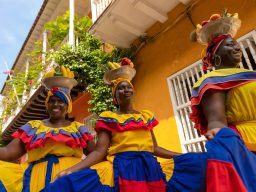
No two Caribbean islands feel the same - and that’s the Magic. Visit one, and you might hear steel drums echoing across a cobblestone plaza, smell spices curling from a market stall or the pulsating rhythms of Reggae. Caribbean culture is a vibrant fusion of African, European, Indigenous and Asian influences, shaped over centuries through migration, colonization and cultural resilience. This richness doesn’t sit behind museum glass. It pulses through daily life.
Because of it's diverse history the Linguistic landscape is highly varied. Spanish is dominant in Cuba & the Dominican Republic, while English is standard across much of the former British West Indies. French and Dutch creoles are spoken in territories colonized by those respective nation.
The Caribbean consists of Diverse culinary traditions (Jerk, Roti, Doubles, Flying Fish, Griot, Plantains, Rice & Peas, Ackee & Saltfish). Multi-lingual roots (English, Spanish, French, Papiamento), and Grand annual Carnival celebrations.

Music
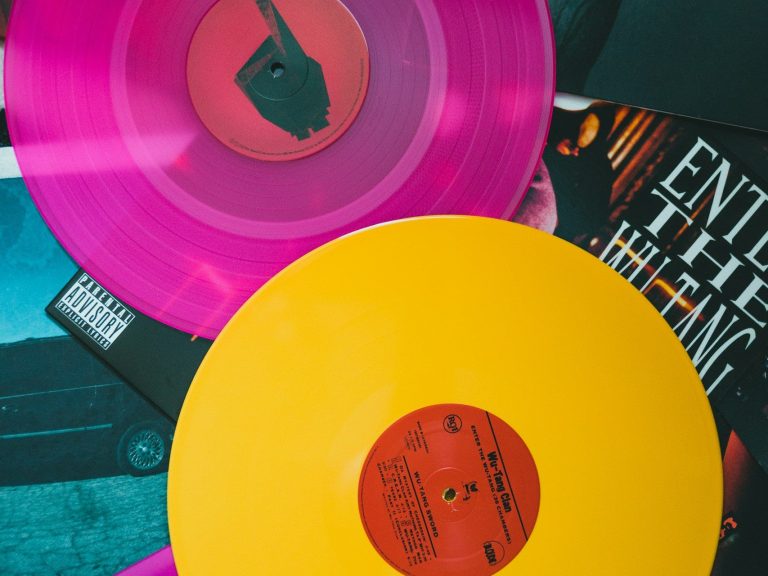
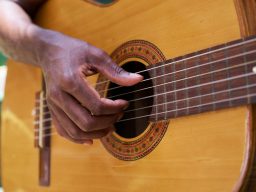
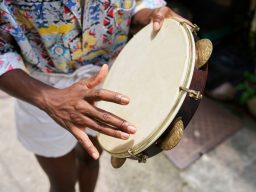
Music is the beating heart of the Caribbean, serving as a medium for storytelling, celebration, and historical preservation.
- Reggae: Originating in Jamaica, it is known for its offbeat rhythms and socially conscious lyrics.
- Soca and Calypso: Born in Trinidad and Tobago, these high-energy genres dominate Carnival parades.
- Salsa & Merengue: Deeply rooted in the Spanish-speaking islands like Cuba, Puerto Rico, and the Dominican Republic.
- Konpa/Kompa from Haiti. Relies heavily on guitars.
- Steelpan Drums: Invented in Trinidad and Tobago, these iconic instruments are an auditory staple of the islands.